
Mary Seacole
Mary Seacole is often introduced as a pioneering nurse in the Crimean War, a name tucked neatly into history books. But behind that title is a far more textured story: one shaped by courage, instinctive compassion and a willingness to step into places others tended to overlook. Her life was not loud, nor was it widely celebrated at the time; yet it quietly reveals how everyday kindness can illuminate something at the heart of Christian teaching.
Her early life and a home full of healing
Mary Jane Grant was born in 1805 in Kingston, Jamaica. Her childhood home was lively and full of movement. Travellers passed through, soldiers stopped for rest, families came seeking help, and her mother, a respected Jamaican “doctress,” tended to the sick with herbal remedies that had been passed down for generations. Pots simmered, voices drifted across verandas, and young Mary absorbed it all.
Her approach wasn’t shaped by formal training but by steady compassion; the kind often associated with Christian service
She learned by watching and helping. In a society where opportunities for women, especially mixed-race women, were limited, her mother’s boarding house quietly became her training ground. Illness wasn’t an idea or a story; it was a person in front of her. Those early impressions shaped Mary’s instinct to notice suffering and respond with whatever she had at hand.
Travels that formed her
As she grew older, Mary travelled widely: to Haiti, Cuba, Britain and Panama. She later wrote about these journeys with a warm, conversational tone in her autobiography The Wonderful Adventures of Mrs Seacole in Many Lands (1857). Her writing shows someone who could see humour even in hard moments and who was rarely intimidated by adventure.
While in Panama, a severe cholera outbreak swept through the community. Mary stepped in almost without thinking. She moved between makeshift clinics and homes, offering care to strangers with no expectation of reward. Many remembered her calm presence long after the crisis passed. Her approach wasn’t shaped by formal training but by steady compassion; the kind often associated with Christian service: being present, being courageous, and being willing to comfort those who felt alone.
A door closed in London
When news of the Crimean War reached Britain, Mary felt compelled to help. She applied to join the official nursing teams heading to the front, but her applications were turned away. She never received a clear explanation. Her race, her background and her unconventional training likely played a role, though she never dwelled on the rejection.
Instead, she simply found another path. Using her own savings, she booked passage to the Crimea. It was a long and uncertain journey, but for Mary the need of the wounded mattered more than the obstacles in her way.
Continued below...
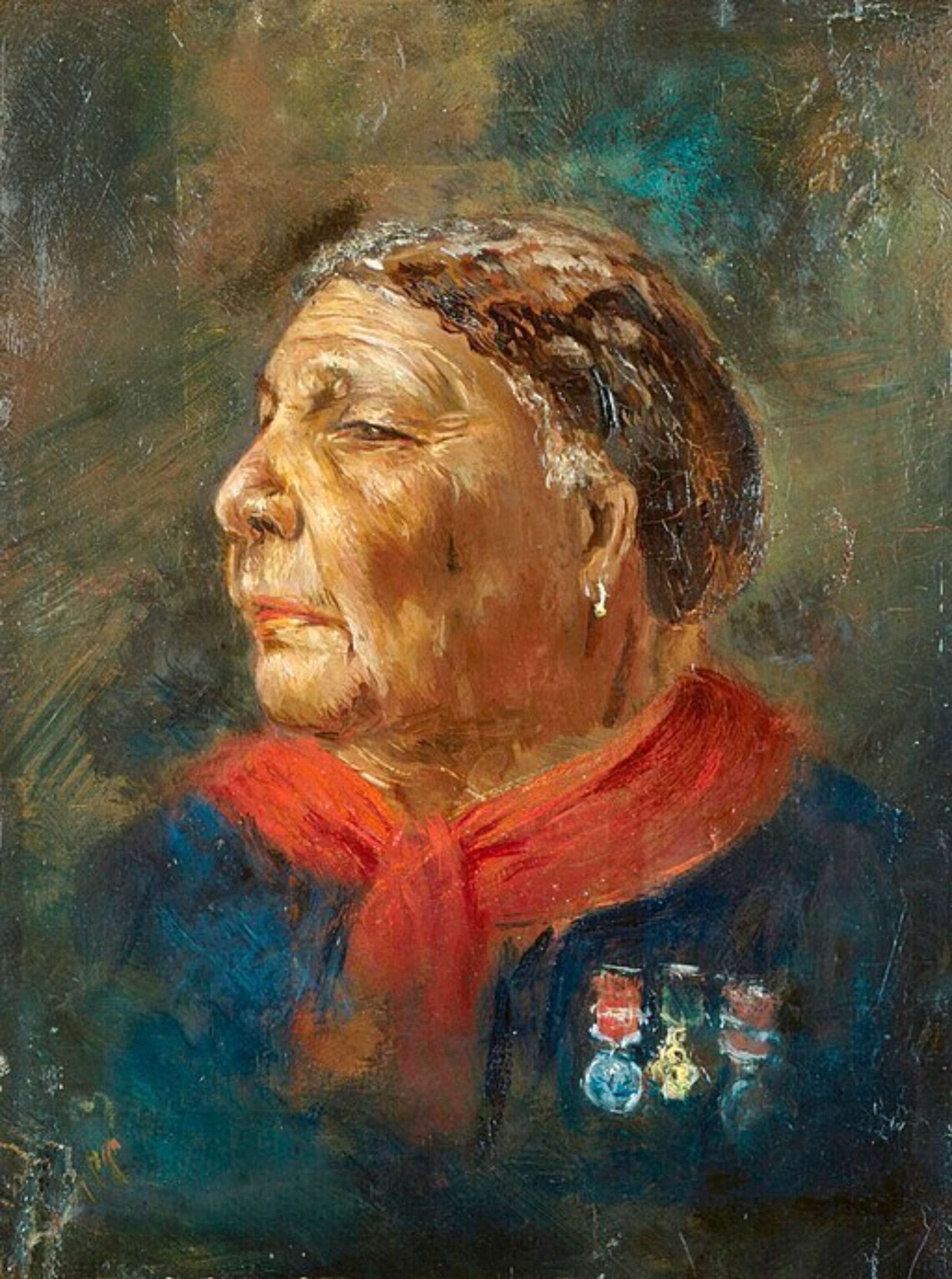
The “British Hotel” at Balaclava
When she arrived in Balaclava, Mary set up what she called the “British Hotel.” The name sounds grand; it was really a place of warmth and rest, somewhere soldiers could find a hot meal, dry clothes, simple medicines or just a few minutes of normality in the middle of war.
Her presence on and near the battlefield became familiar. Soldiers remembered her turning up with bandages, warm drinks and the kind of practical reassurance that steadies the nerves. She walked through mud and confusion with an unforced calm that earned her the nickname “Mother Seacole.”
Her actions reflect themes seen across Christian tradition: love for one’s neighbour, compassion for the vulnerable and the belief that every person carries dignity. Whether or not Mary described her work in explicitly religious terms, the shape of her care echoes values found widely in Christian teaching.
Today, her statue outside St Thomas’ Hospital in London stands as a tribute to her courage and compassion.
A faith expressed through doing
Mary rarely wrote directly about her private faith; however, her life demonstrates the New Testament idea that love is shown most clearly through action. Her instinctive response to the sick, the frightened and the wounded resembles the parable of the Good Samaritan, a story of someone who stopped to help simply because compassion moved him to do so.
A verse in the book of Hebrews says: “God is not unjust; he will not forget your work and the love you have shown” (Hebrews 6:10). Mary’s legacy suggests that quiet acts of service, even when unnoticed, can leave a deep and lasting mark.
Return to Britain
When the war ended, Mary returned to Britain with failing health and limited money. Yet those she had served did not forget her. Soldiers, officials and members of the public organised fundraising events to support her: a sign of how much her presence had meant during some of their hardest days.
Her autobiography followed soon after, giving her the chance to tell her own story. Today, her statue outside St Thomas’ Hospital in London stands as a tribute to her courage and compassion.
What Mary’s story teaches us today
Mary Seacole’s life invites us to reflect on how ordinary acts of care can become thoughtful expressions of love. Some kindnesses are celebrated; many others take place quietly, unseen. Her example shows that compassion doesn’t always need a platform; it often begins with a simple willingness to notice and to help.
For those exploring Christianity, Mary’s story offers a gentle introduction to how faith has inspired people across history to respond to suffering. Readers might find it helpful to revisit the parable of the Good Samaritan in Luke’s Gospel or to reflect on how small acts of kindness could bring comfort to those around them.
Mary Seacole’s legacy is one of courage, generosity and steady compassion. She reminds us that even in moments of uncertainty or fear, quiet acts of love can shine with unexpected strength.

Elizabeth Fry

Desmond Tutu
