
Prince William - A quiet faith
In March 2026 The Times newspaper featured a story about Prince William with the headline: “Prince William confirms ‘quiet faith’ and new commitment to Church”.
"I might not be at church every day, but I believe in it, ...and I will take it very seriously, in my own way."
According to a source close to William, his view is: "I might not be at church every day, but I believe in it, I want to support it, and this is an important aspect of my role and the next role, and I will take it very seriously, in my own way."
The statement was made ahead of the installation of the new Archbishop of Canterbury Dame Sarah Mullaly and refers to his future role as Supreme Governor of the Church of England and Defender of the Faith.
Close observers will note that his verbal commitment is to the institution of the church. This is in sharp contrast to his grandmother, the late Queen Elizabeth II, who made much more personal statements about her faith in Jesus such as: “For me, the life of Jesus Christ, the Prince of Peace…is an inspiration and an anchor in my life.”
His father, King Charles, has also been slightly more overt, saying in 2022, ‘I am a committed Anglican Christian…’ and ‘As a member of the Church of England, my Christian beliefs have love at their very heart’. The King then added ‘By my most profound convictions, therefore – as well as by my position as sovereign – I hold myself bound to respect those who follow other spiritual paths’ (1).
Close observers will note that his verbal commitment is to the institution of the church.
This more recent commitment by a British monarch to protect all faiths was underlined in June 2026 when one the sovereign’s duties was described as protecting “the space for faith within the multi-faith nation”. This definition is likely to inform Prince William’s future role as King.
Formal church services have been a regular part of Prince Williams’s life, and he has taken part in Christian services marking milestones from his baptism and confirmation to bereavement, marriage, and the christenings of his children.
As a godparent he has promised to support his godchildren in their Christian faith and growth, praying for the child, helping them to learn about the Christian faith and encouraging them to participate in the life of the church, serving as a Christian example through their own life: a spiritual responsibility to support the child’s Christian upbringing.
In his own confirmation he would have been asked: "Do you promise to follow Christ as your Lord?" with the response: "I do, with God's help."
Continued below...
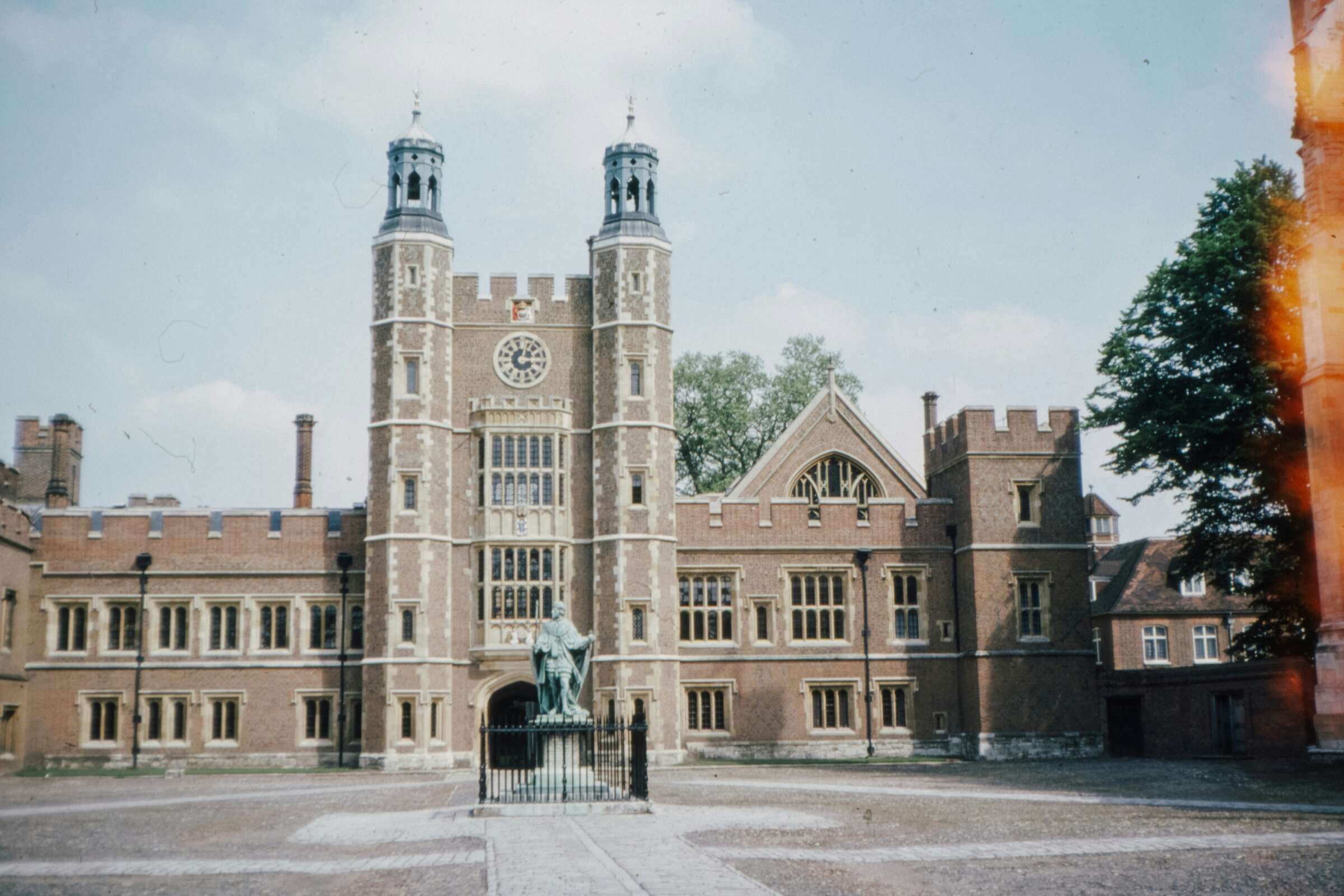
During his school life at Ludgrove and Eton, chapel services were an established part of school life. Eton College explicitly states that its primary purpose as an educational charity is rooted directly in its Christian foundation established in 1440.
A personal “quiet faith” is more likely to have emerged through friendships with Christians
At university in St Andrews, might he have had conversations with Ian Bradley, Professor Emeritus of Cultural and Spiritual History, one of the UK's leading experts on the relationship between British royalty and religion, who has written extensively on how monarchs express their personal faith.
William went on to train at the Royal Military Academy Sandhurst before serving with the British armed forces. Sandhurst also has a strong Christian heritage and includes regular chapel services, remembrance observances, and religious ceremonies.
Within all these different contexts Prince William has been exposed to regular Christian worship throughout his formative years and adult life. He would certainly have attended many compulsory Christian services during his schooling and officer training. However, such attendance does not tell us much about his personal faith.
Many people come to faith as they look for meaning when faced with the death of a loved one
A personal “quiet faith” is more likely to have emerged through friendships with Christians or in the response to the difficulties he has faced in life – most recently with his wife and father’s cancer diagnoses. Many people come to faith as they look for meaning when faced with the death of a loved one or a difficult diagnosis.
Whereas ordinary citizens might explore faith through an Alpha course or another introduction to faith, members of the royal family in the limelight don’t have that liberty. But faith is more likely to be explored through private conversations within a close circle of friends or in the small private services at Crathie Kirk attended by the royal family after the death of Princess Diana or the late Queen.
Certainly, Prince William has made clear his allegiance to the institution of the Christian Church. What is not clear is whether that allegiance extends to a personal relationship with Jesus.
Notes. 1. https://www.theguardian.com/uk...

King Charles III - Faith and beliefs

Queen Elizabeth II - a life of faith
